
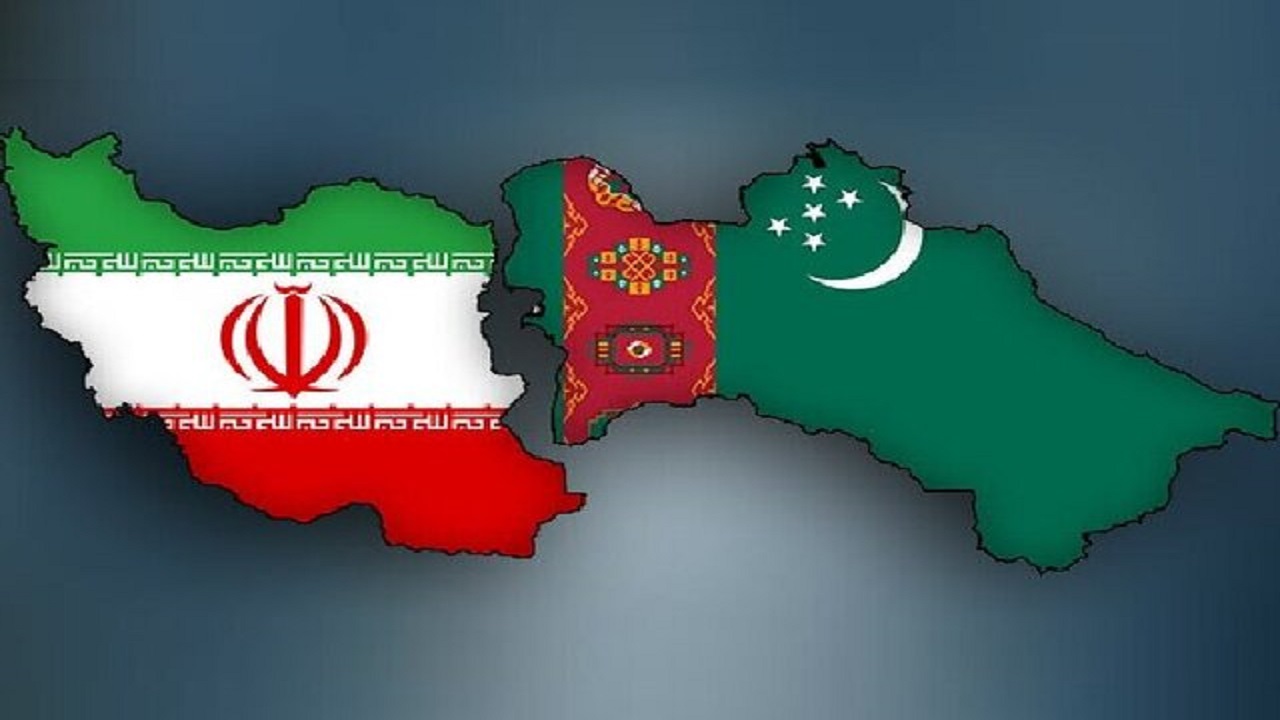
Trade Relations Between Iran and Turkmenistan
Introduction Iran and Turkmenistan, two neighboring countries with deep historical and cultural ties, share a long history of economic and trade relations. The strategic location of both countries in Central Asia and their shared border have significantly contributed to the strength of their bilateral relations. This article aims to explore the primary commodities traded between the two nations and analyze the economic implications of these exchanges.
Iran’s Exports to Turkmenistan Iran, as one of the world’s largest producers of oil and gas, exports a significant portion of its energy resources to Turkmenistan. Beyond energy, Iran also exports various petrochemical, industrial, agricultural, and handicraft products.
- Oil and Gas: Iran exports natural gas to Turkmenistan through a major pipeline, meeting a substantial portion of Turkmenistan’s energy needs. Additionally, refined petroleum products such as gasoline, diesel, fuel oil, asphalt, and lubricants are also exported. Given the growing global demand for liquefied natural gas (LNG), Iran has the potential to export LNG to Turkmenistan and other regional markets. Moreover, Iran offers technical expertise and engineering services in the oil and gas sector to Turkmenistan.
- Petrochemicals and Chemicals: Iran exports a wide range of petrochemical products, including polymers (polyethylene, polypropylene, polystyrene, and PVC), industrial chemicals (such as detergents, paints, and resins), and pharmaceuticals. These products find applications in various industries in Turkmenistan, including construction, packaging, and manufacturing.
- Industrial Goods and Machinery: Iran exports agricultural machinery, construction equipment, automotive parts, and other industrial machinery to Turkmenistan.
- Food and Agricultural Products: Dried fruits (raisins, dates, pistachios, and almonds), dairy products (milk powder, cheese, and yogurt), and seafood are among Iran’s agricultural exports to Turkmenistan.
- Textiles and Apparel: Iranian hand-woven carpets are highly valued in Turkmenistan, and the country also exports other textile products such as fabrics, blankets, and ready-made clothing.
Turkmenistan’s Exports to Iran Turkmenistan, rich in natural resources, primarily exports energy products, agricultural commodities, and minerals to Iran.
- Energy and Fuels: Natural gas is a major export from Turkmenistan to Iran. Additionally, Turkmenistan exports crude oil.
- Agriculture and Food: Cotton, wheat, barley, and dried fruits are among the key agricultural products exported from Turkmenistan to Iran.
- Minerals: Sulfur and ornamental stones such as marble and granite are exported from Turkmenistan to Iran.
- Textiles and Apparel: Cotton fabrics and hand-woven carpets are among the textile products exported from Turkmenistan to Iran.
Challenges and Opportunities in Bilateral Trade Trade relations between Iran and Turkmenistan face several challenges, including transportation and logistics issues, customs barriers, fluctuations in energy prices, and international sanctions. However, there are significant opportunities for expanding economic cooperation. Developing transportation infrastructure, establishing free trade zones, and facilitating customs procedures can significantly enhance trade between the two countries.
Conclusion Iran and Turkmenistan enjoy deep-rooted historical and cultural ties. The economic relations between the two countries, particularly in the energy sector, have been a cornerstone of their bilateral cooperation. While challenges such as sanctions and infrastructure constraints persist, there is significant potential for further growth in trade and economic cooperation between the two nations.